Vera Braun · 11 September 2026
Decoding Semantic Clusters for Authority Building in Niche Digital Ventures
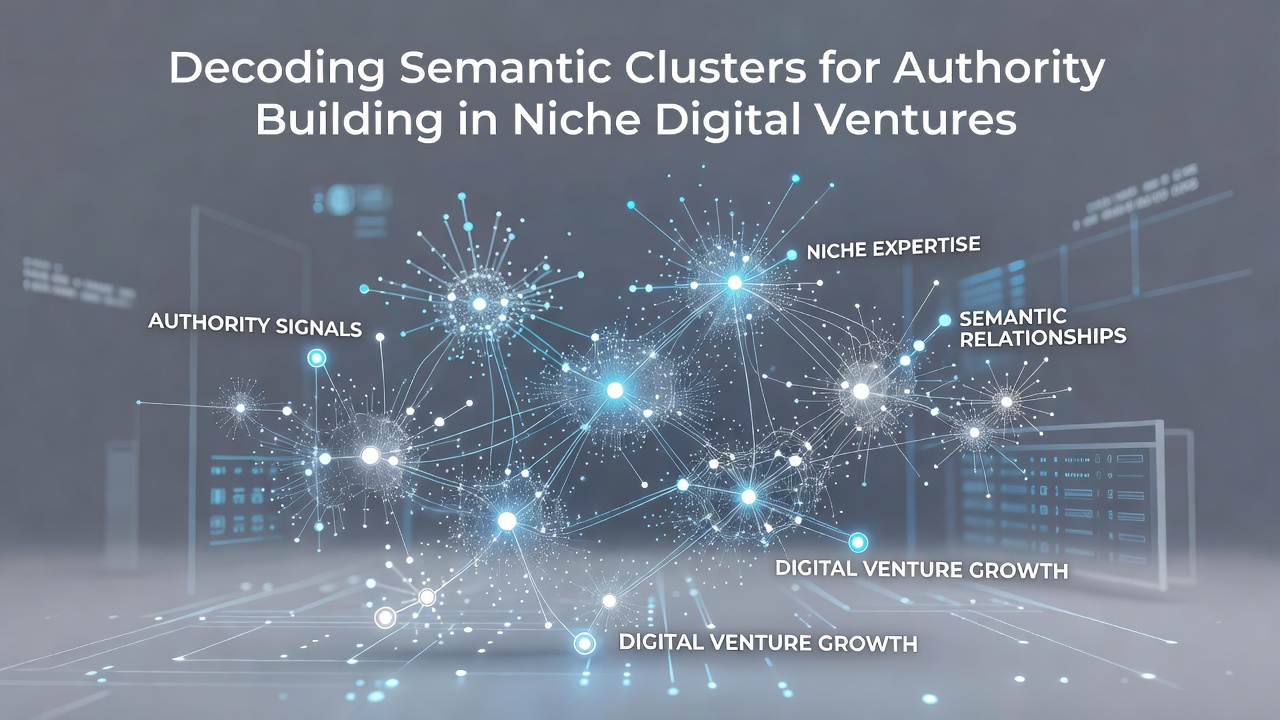
Search engines process content through layers of meaning rather than isolated keywords, and semantic clusters represent the structured groups of related concepts that help digital ventures establish topical authority in specific niches. These clusters form when content creators map interconnected ideas, entities, and queries that users explore within a subject area, allowing sites to cover a theme comprehensively instead of scattering efforts across unrelated terms.
Understanding Semantic Clusters in Practice
Researchers at institutions across North America and Europe have documented how search algorithms evaluate content depth through entity relationships and co-occurrence patterns, and this work shows that clusters emerge from data on user search behavior combined with natural language processing outputs. One study from a Canadian research group analyzed query logs to reveal how terms like "sustainable packaging materials" connect to subtopics including biodegradable polymers, regulatory standards, and supply chain metrics, creating a web that strengthens site relevance when addressed together.
Those who build niche digital ventures often start by extracting seed terms from industry reports and then expand them through tools that identify related entities, and the process yields clusters that guide content calendars. Data from academic sources indicates that pages covering multiple facets of a cluster tend to attract more inbound references over time because they address the full scope of user intent rather than single questions.
Methods for Identifying and Mapping Clusters
Analysts apply several techniques to decode clusters, beginning with corpus analysis of domain-specific texts followed by graph-based visualization of term relationships. Software that processes large text collections can highlight central nodes such as core product features or service categories, while peripheral nodes represent supporting details like case examples or technical specifications. European university teams have published findings on these graph methods, noting that clusters become visible when content is examined for semantic distance rather than simple word frequency.
Ventures in specialized fields, from precision agriculture technology to artisanal food production, use these maps to prioritize which subtopics deserve dedicated articles or resources. The approach avoids duplication because each cluster element receives unique treatment, and internal links between cluster pages reinforce the overall structure that crawlers recognize as authoritative.
Authority Signals and Cluster Implementation
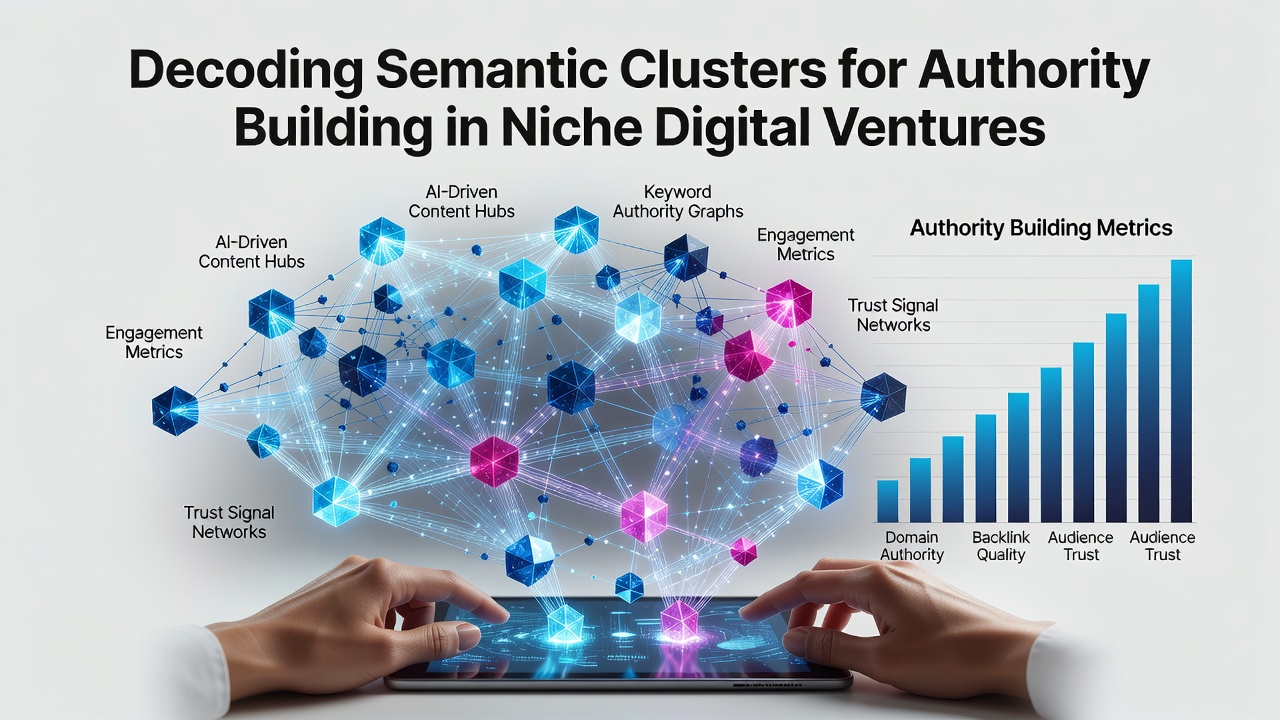
Authority in niche spaces develops when multiple pages within a cluster earn citations from other sites and maintain consistent alignment with evolving user queries, and observers note that this pattern appears across successful digital projects tracked in industry analyses. Content that systematically addresses cluster components tends to appear in featured result sections more frequently because it matches the breadth of information search engines associate with expert sources.
Teams integrate clusters by creating pillar content that outlines the main theme and then producing supporting pieces that explore individual nodes in greater detail, and this structure facilitates crawl efficiency as bots follow logical pathways between related materials. Figures from research conducted at Australian academic centers suggest that sites employing cluster strategies record higher retention of organic traffic segments compared with those relying on scattered topic selection.
Case Examples from Niche Ventures
Take one digital project focused on home energy monitoring systems that organized content around a central cluster covering hardware options, data interpretation methods, and regional incentive programs, and the resulting site gained references from utility industry publications as well as consumer advocacy groups. Another venture in the field of heritage seed preservation mapped clusters around cultivation techniques, genetic diversity metrics, and climate adaptation strategies, which led to partnerships with agricultural extension services documented in public records.
These examples illustrate how cluster decoding supports sustained visibility because the content remains relevant as query patterns shift, and updates can target new nodes without disrupting the established architecture. Ventures that revisit their cluster maps periodically incorporate fresh data from sources such as government statistical agencies in various regions, keeping the material aligned with current standards and practices.
Conclusion
Semantic cluster analysis provides a framework for niche digital ventures to organize information in ways that align with how search systems evaluate topical coverage, and the methods draw on established research in linguistics and information retrieval. Ventures that apply these techniques build interconnected resources that support long-term authority while serving user needs across related queries. Continued examination of cluster performance through traffic and citation metrics offers ongoing guidance for refinement as digital landscapes evolve.