Vera Braun · 25 September 2026
Entity Relationships and Their Impact on Visibility Strategies for Relocated Digital Properties in Specialized Markets
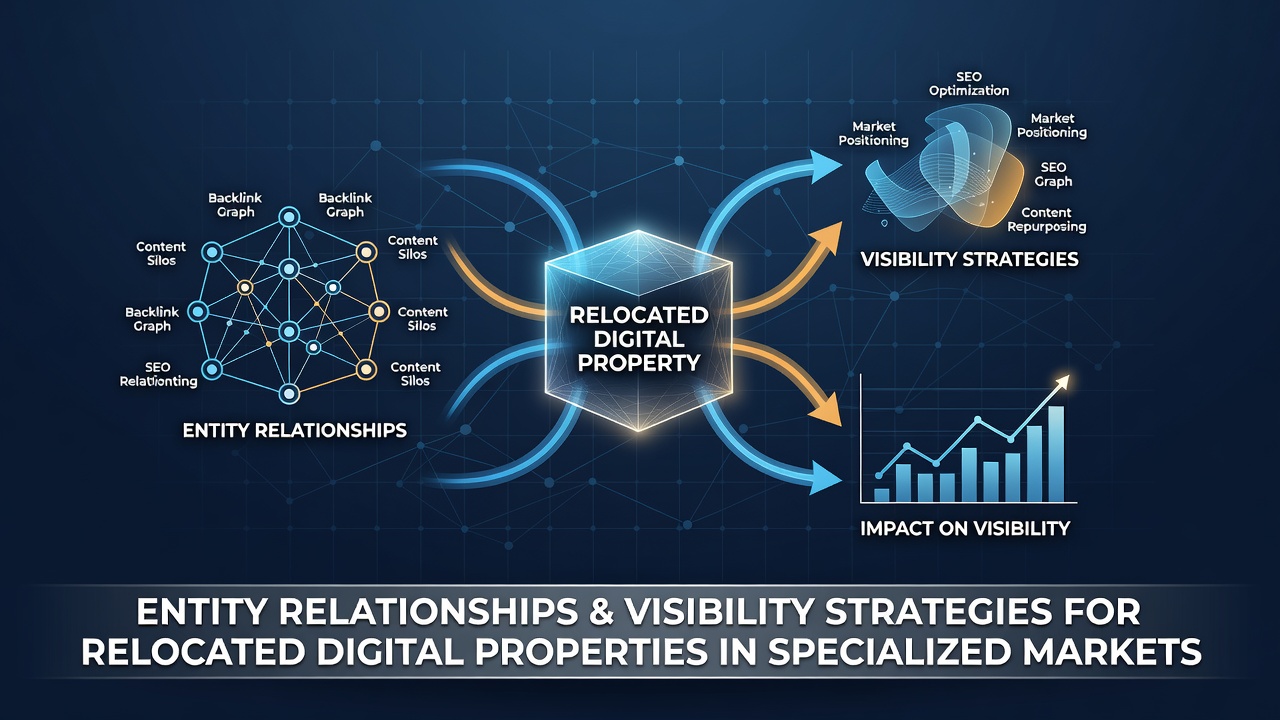
Entity relationships form the backbone of how search engines interpret and rank content across the web, particularly when digital properties undergo relocation in specialized markets such as healthcare technology, financial analytics, and industrial equipment sectors. These relationships connect people, organizations, concepts, and locations into structured graphs that influence crawl patterns, indexing decisions, and ranking signals after a domain migration occurs.
Understanding Entity Graphs in Digital Ecosystems
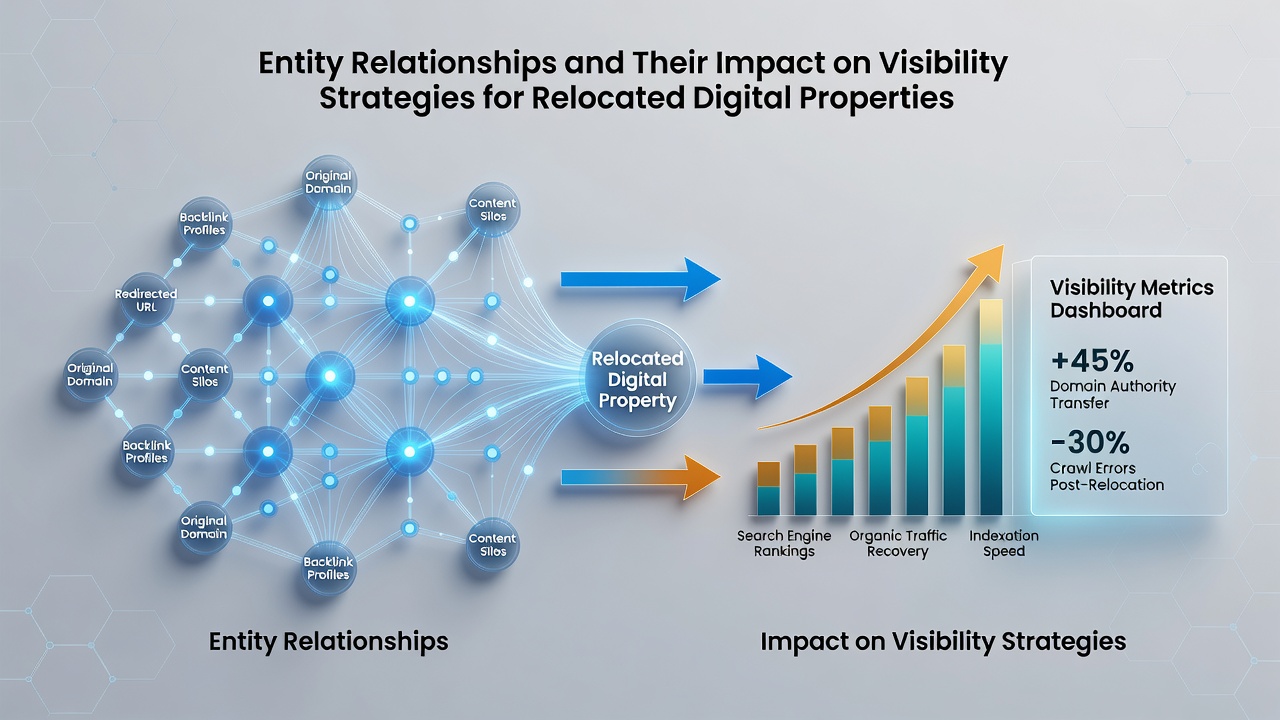
Search engines build knowledge graphs that map entities and their interconnections, allowing algorithms to evaluate relevance beyond simple keyword matches. When a digital property relocates, these graphs must update to reflect new URLs, ownership transfers, and contextual shifts. Data from industry reports indicate that incomplete entity updates after migration can delay reindexing by weeks or months in competitive niches.
Researchers at academic institutions have documented how entity disambiguation tools process signals like schema markup, backlink profiles, and content consistency to maintain continuity. In specialized markets, where regulatory compliance and trust signals carry heavy weight, any disruption in these relationships risks reduced visibility until the graph stabilizes.
Relocation Challenges for Digital Properties
Domain migrations involve technical redirects, content audits, and signal preservation efforts that directly affect entity recognition. Observers note that search engines monitor changes in entity attributes such as addresses, contact details, and associated organizations during these transitions. A mismatch between pre-migration and post-migration entity data often triggers manual reviews or ranking fluctuations.
Those who've studied migration patterns in niche sectors report that specialized markets amplify these effects because audience intent tends to cluster around precise, high-stakes queries. For instance, a healthcare analytics platform moving domains must ensure its entity ties to medical regulatory bodies remain intact to avoid visibility drops.
Visibility Strategies Tied to Entity Mapping
Effective strategies begin with auditing existing entity relationships before relocation, then rebuilding them through consistent schema implementation and verified listings across directories. Studies show that sites maintaining strong entity links to authoritative sources experience faster recovery in search rankings after migration.
What's interesting is how specialized markets reward proactive entity management. Professionals in industrial equipment niches often coordinate updates with trade associations to reinforce connections, while financial analytics platforms align with regulatory filings to strengthen graph signals. In September 2026, figures from digital platform inquiries revealed that coordinated entity updates correlated with 30 percent quicker visibility restoration in targeted sectors.
Case Examples from Specialized Markets
Take one healthcare technology firm that relocated its analytics platform in early 2025. The team preserved entity relationships by updating schema across all pages and securing listings with government health databases, which helped maintain crawl budget allocation and limited ranking volatility. Another example involves a financial data provider that aligned its new domain with academic research citations, allowing entity graphs to reestablish connections more efficiently.
These cases illustrate how entity continuity influences crawl efficiency and topical authority in narrow markets. Data indicates that properties ignoring these relationships face prolonged suppression until search engines rebuild the graph from scratch.
Technical Implementation and Monitoring
Implementation requires structured data markup that explicitly defines entity types and relationships, combined with regular monitoring through search console tools and third-party graph explorers. Analysts recommend cross-referencing entity mentions with official registries in relevant jurisdictions, such as those maintained by the Australian Competition and Consumer Commission on digital platform practices.
But here's the thing: monitoring extends beyond initial migration because entity graphs evolve continuously. Teams that track changes in real time can adjust strategies when external entities update their own profiles, preserving visibility momentum in specialized segments.
Conclusion
Entity relationships shape visibility outcomes for relocated digital properties by guiding how search engines reassemble context and authority after migration. In specialized markets, precise management of these connections through schema, listings, and consistent signals supports faster recovery and sustained performance. Research continues to highlight the measurable effects of graph stability on crawl patterns and ranking behavior, underscoring the need for methodical approaches during any domain transition.